Physiotherapy Blog & Clinical Insights

Evidence-based articles on rehabilitation, VR integration, pain science, women's health, and strength-based physiotherapy — written for patients, caregivers, and health professionals.

12 Jan 2025Rossette Kyomya

Healing & Hope — My Physiotherapy Journey After Spine Surgery

A deeply personal story of courage, emotional healing, and physiotherapy recovery after spine surgery, guided with compassion and expertise.

Spine Surgery RehabPatient StoryPhysiotherapyEmotional Recovery
Healing & Hope — My Physiotherapy Journey After Spine Surgery
Key Takeaway

A powerful real-life recovery story from Kampala to Hyderabad — where physiotherapy, emotional support, and compassionate care transformed a painful journey into one of strength and healing.

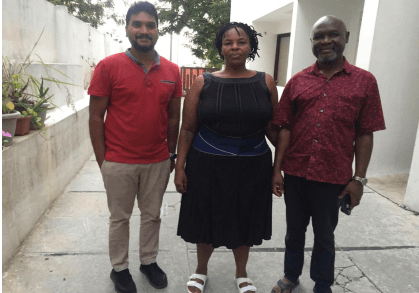
Rossette Kyomya, a retired teacher from Kampala, Uganda, travelled to Hyderabad, India in 2022 for spine surgery. At 60 years old, she faced physical pain, emotional uncertainty, and the challenges of healing far from home. What followed was a journey of strength, compassion, and renewed hope.

A Difficult Beginning

After the spine operation, movement was painful, slow, and frightening. Simple daily tasks became overwhelming. Being far from home only added to the emotional strain. Rossette describes this early phase as one filled with fragility, fear, and uncertainty.

Yet within this difficult period, she found reassurance and expert guidance through Dr. Venkat PT of VR PhysioRehab INDIA.

Gentle Guidance, Steady Progress

From the very first physiotherapy session, Dr. Venkat demonstrated not only clinical expertise but deep empathy.
He:

  • Explained each exercise clearly
  • Adjusted every movement to her comfort
  • Provided reassurance during moments of fear
  • Helped rebuild confidence step by step

His approach created a safe environment for both physical and emotional recovery.

Support From a Loving Partner

Rossette’s husband, Mr. Sande Kyomya, played a vital role in her healing journey. His continuous care, encouragement, and presence offered emotional strength during one of the most challenging phases of her life.

She expresses profound gratitude for his devotion and unwavering support throughout her recovery.

More Than Treatment — A Journey of Emotional Healing

Physiotherapy extended beyond physical exercises.
Being far from Uganda, recovering from major spine surgery, often made Rossette anxious and overwhelmed. But Dr. Venkat understood that:

Healing the spine also requires healing the spirit.

His patience, kindness, and understanding helped restore not only mobility but emotional resilience. He also prepared her with exercises and guidance to continue her recovery independently once she returned home — ensuring long-term progress and confidence.

A Testament of Deep Gratitude

Today, Rossette reflects on her journey with heartfelt appreciation.

  • Her spine is healed
  • Her mobility is restored
  • Her spirit is uplifted

She credits:

  • Apollo Hospital – for successful surgery
  • Dr. Venkat PT – for expert physiotherapy and emotional support
  • Her husband, Mr. Sande Kyomya – for strength, love, and devotion

Her experience stands as a reminder that true healing happens when skill, compassion, and human connection come together.

18 Sept 2025Dr. R. Varalakshmi (PT)

Posture in 2025: Why ‘Perfect Posture’ Is Outdated and What Actually Matters

Recent research challenges the idea of one ideal posture and shifts the focus toward movement variety, strength, and load tolerance.

PostureSpine HealthErgonomicsOffice Workers
Posture in 2025: Why ‘Perfect Posture’ Is Outdated and What Actually Matters
Key Takeaway

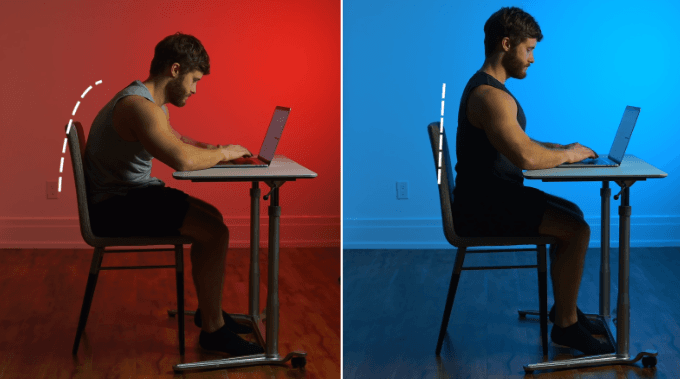
There is no single perfect posture proven to prevent pain. Modern physiotherapy focuses on movement variety, strength, and load tolerance instead of chasing a rigid ‘ideal’ sitting or standing position.

For many years, patients were told that “poor posture” is the primary cause of neck, back, and shoulder pain. However, modern research provides a more nuanced picture.

Large-scale studies have not found a consistent relationship between a specific posture and long-term pain. Many people with “ideal” posture still experience pain, while others with visible asymmetries do not.

What the Evidence Shows

Key points from current literature include:

  • There is no universally correct posture that prevents pain for everyone.
  • Remaining in one static position for too long is more problematic than the posture itself.
  • Physical and psychological factors—such as stress, low activity levels, and sleep—play a major role in pain.

From ‘Fixing Posture’ to Building Tolerance

Modern physiotherapy moves away from obsessing over posture alignment and instead focuses on:

  • Movement variety: Changing positions regularly throughout the day.
  • Strength and endurance: Building muscle capacity around the neck, back, and shoulders.
  • Workstation setup: Designing ergonomics to reduce fatigue, not to force a rigid position.
  • Education: Reducing fear and guilt around posture.

Practical Recommendations

  1. Change your position every 20–30 minutes.
  2. Incorporate short mobility and strengthening “movement snacks” into your workday.
  3. Ensure your desk, chair, and screen heights reduce strain but do not chase perfection.
  4. Address stress, sleep, and general fitness, as these often correlate with pain intensity.

Posture still matters, but it is only one piece of a much larger biopsychosocial puzzle. The modern message is: move more, build strength, and worry less about being perfectly straight.


05 Aug 2025Dr. R. Varalakshmi (PT)

Post-Surgery Rehabilitation in 2025: Faster Recovery With Smarter Physiotherapy

A modern approach to post-operative care that prioritizes early movement, targeted strengthening, pain education, and technology-assisted rehab.

Post-Surgery RehabOrthopedicsRecoveryVR Rehab
Post-Surgery Rehabilitation in 2025: Faster Recovery With Smarter Physiotherapy
Key Takeaway

Contemporary post-surgical rehabilitation encourages early, controlled loading, clear pain education, and the use of technology such as VR and digital monitoring to achieve faster, safer recovery.

Post-operative rehabilitation has changed significantly over the last decade. Extended bed rest is no longer recommended for most surgeries. Instead, early, guided movement is considered essential for optimal outcomes.

Why Early Rehab Matters

Prolonged immobilisation can lead to:

  • Loss of muscle mass and strength
  • Joint stiffness and reduced range of motion
  • Delayed return to daily activities and work
  • Higher risk of chronic pain and fear of movement

Modern protocols promote early, safe mobilisation tailored to tissue healing timelines.

Key Components of Post-Surgery Physiotherapy

1. Protected Early Strengthening

Depending on the type of surgery and surgeon protocol, strengthening may begin within:

  • 2–3 days after arthroscopic procedures
  • Around 1 week after ACL reconstruction
  • 1–2 weeks after joint replacements, under supervision

Exercises start with low load and controlled range, then progress based on symptoms and healing.

2. Technology-Assisted Rehabilitation

Tools such as:

  • VR systems: For balance, gait, and confidence training
  • Wearable sensors: To monitor step count, range, and loading
  • Tele-rehabilitation: For remote guidance and review

make rehab more precise and accessible.

3. Pain Neuroscience Education

Educating patients about the difference between:

  • Normal post-surgical pain
  • Concerning red flags

reduces fear and helps prevent the transition to chronic pain.

4. Blood Flow Restriction (BFR) Training

Used in selected cases, BFR allows the patient to train at lower intensities while still stimulating strength and hypertrophy. This is valuable when higher loads are not yet appropriate.

A Smarter Rehab Model

The current best practice can be summarised as:

Load early, load smart, and progress based on both healing science and patient response.

Individualised physiotherapy ensures that recovery is not rushed, but also not unnecessarily delayed.


12 Jul 2025Dr. R. Varalakshmi (PT)

Women’s Health Physiotherapy: Essential Updates for Every Stage of Life

From pelvic floor rehabilitation to postpartum recovery and menopause-related changes, women’s health physiotherapy now plays a central role in lifelong wellbeing.

Women’s HealthPelvic FloorPostpartumMenopause
Women’s Health Physiotherapy: Essential Updates for Every Stage of Life
Key Takeaway

Women’s health physiotherapy supports pelvic floor function, postpartum recovery, and hormonal transitions with targeted assessment, education, and exercise-based treatment.

Women’s health physiotherapy has expanded far beyond post-delivery exercises. It now covers pelvic health, prenatal care, postpartum rehabilitation, and support during perimenopause and menopause.

Pelvic Floor Therapy: Beyond “Just Do Kegels”

Pelvic floor problems may involve both:

  • Underactivity (weakness)
  • Overactivity (tightness or spasm)

Effective management requires a detailed assessment of:

  • Muscle tone and strength
  • Coordination with breathing and core muscles
  • Bladder and bowel habits
  • Sexual function and pain

In many women, treatment begins with down-training and relaxation before progressing to strengthening.

Postpartum Rehabilitation

Current recommendations include:

  • Pelvic floor assessment around six weeks postpartum
  • Core and abdominal wall evaluation for diastasis recti
  • Scar management for C-section or perineal stitches
  • Gradual return to impact activities such as running

Rather than “bounce back,” the aim is safe, progressive restoration of function.

Perimenopause and Menopause

Hormonal changes during this phase can influence:

  • Joint and muscle pain
  • Pelvic floor support
  • Bone density and fracture risk

Physiotherapy focuses on:

  • Strength and resistance training
  • Balance and fall prevention
  • Pelvic floor education and support
  • Lifestyle and exercise planning for long-term bone and joint health

Women’s health physiotherapy is a specialised area that can significantly improve quality of life at every age.


20 Jun 2025Dr. R. Varalakshmi (PT)

Why Strength Training Is Now Central to Physiotherapy Practice

Modern physiotherapy uses strength training as a primary tool to reduce pain, improve mobility, and prevent recurrence of injury.

Strength TrainingRehabilitationInjury PreventionExercise
Why Strength Training Is Now Central to Physiotherapy Practice
Key Takeaway

Strength training is no longer optional in rehabilitation. It is a core treatment strategy that improves pain, mobility, function, and resilience against future injuries.

In the past, physiotherapy was often associated mainly with manual therapy, stretching, and passive modalities. While these still have a role, current guidelines emphasise exercise-based rehabilitation, particularly strength training.

Why Strength Matters

Research consistently shows that appropriately dosed strength training:

  • Reduces pain in conditions like knee osteoarthritis, back pain, and tendinopathies
  • Improves joint stability and control
  • Enhances mobility by increasing active range of motion
  • Lowers the risk of falls and future injuries

How Strength Training Is Used in Physio

Physiotherapists design graded programs using:

  • Bodyweight exercises (squats, bridges, step-ups)
  • Resistance bands and free weights
  • Pilates equipment for controlled loading
  • Eccentric training for tendon-related issues

The goal is not bodybuilding; it is to restore capacity, so that everyday and sports activities place relatively less stress on the tissues.

From Passive to Active Care

A simple comparison highlights the shift:

Traditional FocusModern Focus
Rest and avoidanceGradual exposure and loading
Heat and passive modalitiesIndividualised exercise programs
Short-term reliefLong-term capacity and resilience

By building strength, patients become less dependent on temporary pain-relief strategies and more confident in their ability to move.

Strength training, when supervised and tailored by a physiotherapist, is safe, evidence-based, and fundamental to long-term recovery.